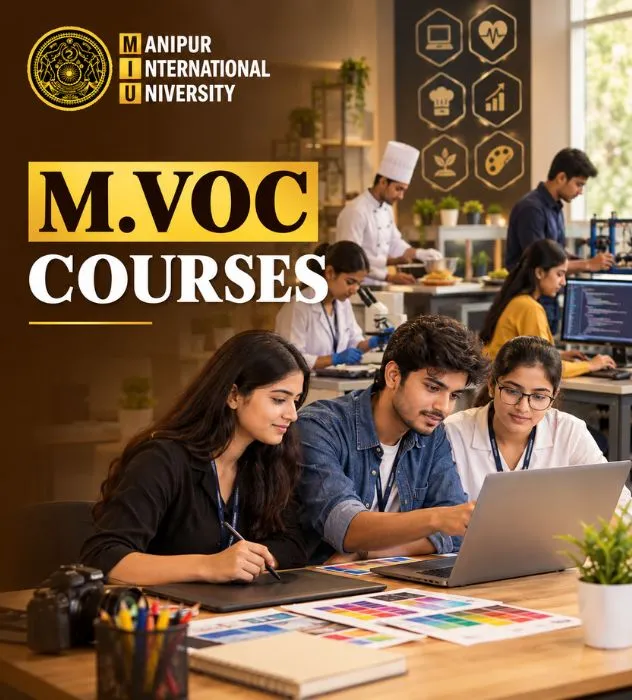

Picking a university is a decision that goes far beyond selecting a course name. Students and parents usually want to understand what daily life on campus feels like, how learning happens, what support exists, and how a university prepares young people for real careers. Student life at Manipur International University brings together academics, a student-friendly campus environment, cultural exposure, practical learning, skill development, and career-focused growth.
For learners exploring vocational and skill-based programmes, this matters even more. A strong university experience should build knowledge, sharpen practical skills, improve confidence, and support smart career decisions. At Manipur International University, students who choose vocational education tend to look past textbook teaching and focus on how campus life supports real-world readiness and personal growth.
What Is Student Life Like at Manipur International University?
Student life at MIU can be understood as a blend of academic learning, practical exposure, student interaction, and career-oriented development. It is not only about attending lectures — it is also about learning to communicate, collaborate, solve problems, and prepare for professional life.
In everyday terms, student life at MIU may include:
- Regular classroom learning
- Practical sessions based on your course
- Assignments and project work
- Faculty interaction and academic guidance
- Workshops and seminars
- Cultural and extracurricular participation
- Peer learning and group activities
- Career planning and skill building
For parents, this means viewing MIU not just as a place for degrees, but as an environment where students grow in maturity, discipline, and confidence. For students, it means finding a university that supports both personal development and long-term career preparation.
MIU Campus and Learning Environment
The MIU campus experience connects directly to how comfortably and effectively students can learn. Every student's experience depends on their programme and how actively they take part, but a good learning environment usually includes classrooms, subject-specific practical spaces, learning resources, and a supportive academic atmosphere.
Classrooms and Academic Spaces
A meaningful university experience starts with a structured place to learn. Students exploring vocational education at MIU can expect classrooms designed for focused study, discussion, and clear subject understanding.
A student-friendly classroom setting helps you:
- Follow concepts clearly
- Ask questions without hesitation
- Take part in discussions
- Build steady learning habits
Laboratories and Practical Training Spaces
For vocational and skill-based education, hands-on exposure is central. MIU's course pages for programmes such as B.Voc in Interior Design and B.Voc in Medical Imaging Technology highlight practical components, projects, workshops, and industry-oriented learning.
This matters because students in career-focused programmes learn best when theory connects to practice. Depending on your course, this may involve:
- Lab-based learning
- Demonstrations
- Practical assignments
- Project work
- Course-specific skill training
Library and Learning Resources
A strong university experience also depends on how easily students can reach study material outside class. Students and parents should confirm current details about library facilities, digital resources, and department study support with MIU's admissions team before making a final decision.
Digital Learning and Self-Study
University life today reaches well beyond the classroom. Students are expected to learn through presentations, online research, assignments, and independent study. In career-oriented education, these self-study habits often shape both academic results and workplace readiness.
Academic Life at Manipur International University
Academic life at MIU works best when students treat university as an active learning journey, not a passive path to a certificate. In skill-based education, the strongest academic experience usually pairs subject knowledge with practical understanding.
Classroom Learning and Concept Building
Students need a solid foundation before they can apply what they learn. Classroom teaching helps them grasp concepts, terms, methods, and the logic behind each subject. Practical competence gets stronger when learners understand why something is done, not just how.
Interactive Learning and Faculty Interaction
Student life improves when learners can interact with faculty, ask questions, seek clarity, and get guidance. Direct faculty interaction can help students:
- Understand difficult topics
- Improve assignments and presentations
- Learn with more confidence
- Build academic discipline
Practical Assignments, Seminars and Workshops
Learning becomes more meaningful when students apply what they study. Workshops, seminars, projects, and assignments help bridge the gap between theory and practice. MIU's vocational course pages and related education content emphasize practical skills, projects, and industry-oriented learning in relevant programmes.
Critical Thinking and Skill Development
A good academic environment also builds independent thinking. This includes:
- Analysing information
- Presenting ideas clearly
- Solving subject-related problems
- Applying concepts to real situations
That mix of academic learning and practical skill-building is especially valuable in vocational education, where employability often depends on both knowledge and execution.
Cultural Life and Student Activities at MIU
Cultural life shapes confidence, communication, and a sense of belonging. For many students, the most memorable part of university is not academics alone — it is the events, friendships, and shared experiences that come with campus life.
Students drawn to MIU's campus culture usually value an environment where learning is supported by cultural engagement and genuine student interaction.
Cultural Exposure and Diversity
University life grows richer when students meet people from different backgrounds, interests, and viewpoints. In a higher education setting, this exposure can help learners:
- Understand different cultures and perspectives
- Communicate more effectively
- Build adaptability
- Develop social confidence
Cultural Events, Music, Dance and Art
Student activities often include cultural programmes where learners showcase talent in music, dance, performance, or art. Even those who don't perform can join in planning or coordination, which strengthens teamwork and confidence.
Extracurricular Participation and Personal Growth
Extracurricular activities help students grow beyond their syllabus. Taking part in student activities at MIU may support:
- Better public speaking
- Stronger teamwork
- Leadership practice
- Greater confidence
- Time management
- Healthier peer relationships
These experiences often prove useful later in interviews, presentations, group projects, and the workplace.
Practical Learning and Industry-Oriented Education at MIU
Practical learning is one of the most important parts of vocational education at MIU. Students choosing skill-based programmes want to know whether their learning will help them perform in real work settings — not just clear exams.
MIU's vocational content highlights a practical, industry-oriented approach, especially in course pages and career-focused blog content.
Why Practical Learning Matters
Practical learning moves students from theory to application. It can strengthen:
- Subject understanding
- Technical confidence
- Work readiness
- Problem-solving ability
- Professional awareness
What Industry-Oriented Learning May Include
Depending on the programme, students may experience:
- Practical sessions
- Workshops
- Real-world assignments
- Subject projects
- Presentation-based learning
- Applied skill training
For example, MIU's B.Voc in Interior Design page refers to workshops, real-world projects, practical skills, and an industry-oriented curriculum.
Even so, students and parents should verify course-specific details such as internships, live projects, infrastructure, and placement support directly with the university before admission, since these can vary by programme and current academic arrangements.
Skills Students Can Develop During Their University Journey
University does more than hand you a qualification. It also helps you build abilities that shape your academic and professional future.
|
Skill |
How Students May Develop It |
Why It Matters |
|
Communication skills |
Classroom discussions, presentations, peer interaction |
Helps in interviews, teamwork, and workplace communication |
|
Presentation skills |
Seminars, project reviews, assignments |
Builds confidence and clarity in expressing ideas |
|
Technical skills |
Practical sessions, lab work, course-specific training |
Key for job readiness in vocational fields |
|
Teamwork |
Group tasks, events, collaborative projects |
Helps students work well with others |
|
Leadership |
Coordinating activities, taking initiative, guiding peers |
Useful in academic, social, and work settings |
|
Problem-solving |
Practical assignments, case-based tasks, projects |
Improves decision-making and adaptability |
|
Time management |
Balancing classes, assignments, events, self-study |
Essential for academic success and work discipline |
|
Professional skills |
Workshops, mentoring, practical exposure |
Supports career readiness and workplace behaviour |
Student Support, Mentoring and Career Guidance
Student support is one of the biggest factors for both parents and learners. A university experience works better when students know where to turn for help — academically, personally, and professionally.
At MIU, students exploring vocational education often look for support in three areas: academic guidance, mentoring, and career direction.
Academic Guidance
Students frequently need help with course understanding, difficult subjects, assignment planning, and study habits. Faculty guidance plays a useful role in keeping students on track.
Mentoring and Student Assistance
Mentoring matters because many students need support while adjusting to university expectations. This can include:
- Understanding course demands
- Building study discipline
- Clarifying academic goals
- Growing in confidence over time
Career Counselling and Planning
Career guidance is especially valuable in vocational education, where students often pick a programme with a specific profession in mind. MIU's vocational website positions its education approach as career-focused and skill-oriented.
Students should confirm the latest admission support, counselling process, and programme-specific career guidance directly through the official contact page.
Opportunities Beyond the Classroom
University life becomes more meaningful when learning continues outside formal lectures. Students often gain extra exposure through events, workshops, peer interaction, and academic discussions.
Opportunities beyond the classroom may include:
- Workshops
- Guest sessions or seminars
- Project-based collaboration
- Informal peer learning
- Exposure to new ideas and perspectives
- Personal development activities
These experiences help students become more adaptable, expressive, and professionally aware — qualities that matter as much as marks.
A Typical Day in Student Life at MIU
A typical student day may include a mix of academics, practical learning, peer interaction, and self-study. This is not an official MIU timetable, but an illustrative example of how student life at MIU may feel in a vocational education setting.
A student's day might begin with scheduled classes focused on theory, concepts, or subject foundations. Later, depending on the course, the student may attend a practical session, lab activity, or applied assignment. Between classes, there may be time to chat with classmates, prepare presentations, or review notes.
In the afternoon, students may work on projects, join a workshop, or continue coursework. Some may also take part in cultural or extracurricular activities where available. By evening, personal study, assignment work, and planning for the next day usually round out the routine.
This kind of daily rhythm helps students build consistency, discipline, and a stronger link between study and future career goals.
Why Student Life at MIU Can Be a Valuable University Experience
Student life at MIU can be valuable because it brings together academics, practical exposure, personal growth, and career awareness. For students who want more than a conventional degree experience, this combination is especially useful.
What Makes It Valuable
|
Aspect of Student Life |
What Students May Experience |
Why It Matters |
|
Academic Learning |
Classroom teaching, concept building, faculty guidance |
Builds a strong subject foundation |
|
Practical Learning |
Labs, workshops, projects, applied assignments |
Turns theory into real-world skills |
|
Cultural Activities |
Events, music, dance, art, participation |
Supports confidence and expression |
|
Skill Development |
Communication, teamwork, technical, professional skills |
Strengthens employability |
|
Career Guidance |
Counselling, mentoring, career planning |
Helps students plan their future |
|
Student Interaction |
Peer learning, group work, campus friendships |
Improves communication and adaptability |
For parents, this means MIU can be a place where students grow into more capable, career-aware young adults. For students, it means using university life as a foundation for both learning and long-term growth — without relying on exaggerated promises.
How to Choose the Right Course for Your Career Goals
Choosing the right course after 12th should be based on fit, not just popularity. Evaluate a programme carefully before you apply.
Questions to Ask Before Choosing a Course
- What subjects genuinely interest me?
- What are my strengths and skills?
- Do I meet the eligibility requirements?
- Does the curriculum include practical exposure?
- What kind of work can this course lead to?
- Does the course support future study options?
- Will this programme help me build relevant professional skills?
Students still weighing options can read MIU's career and education guides, including:
- Best Career Options After 12th
- Best Courses After 12th Science in India 2026
- Career Options After 12th Commerce
- What is B.Voc Degree? Complete Guide (2026)
- Best Skill-Based & Vocational Courses After 12th
- How to Choose the Right Course After 12th
Explore MIU's Skill-Based Courses
Looking for a course that mixes academic learning with practical exposure? Explore MIU's vocational programmes and find an option that matches your interests, eligibility, and career plans.
Explore Vocational and Skill-Based Courses at MIU
Students interested in career-oriented education can explore MIU's vocational offerings based on their interests and preferred field. Examples visible on the website include:
- B.Voc in Interior Design
- B.Voc in Medical Imaging Technology
- B.Voc in Paramedical & Health Administration
You can also review the official MIU vocational website to explore broader course categories, eligibility, and admission details through Manipur International University.
Student Life at MIU in 60 Seconds
Student life at MIU is about more than attending classes. It can include academic learning, practical training, student interaction, cultural exposure, and career-focused development. A student's day may move between classroom sessions, practical assignments, project work, and self-study. In vocational courses, practical learning becomes especially important because it connects theory with real-world application. Campus life may also feature cultural activities, workshops, and peer engagement that build confidence, communication, and teamwork. For students and parents exploring higher education in Manipur, MIU is worth considering for its skill-based, career-oriented approach — especially if the goal is to blend university education with practical, professional development.
Frequently Asked Questions About Student Life at MIU
What is student life like at Manipur International University?
Student life at Manipur International University can include classroom learning, practical exposure, peer interaction, cultural participation, and career-focused development. For many students, it is a blend of academics and personal growth rather than only degree-based study.
What facilities are available at MIU?
Students generally expect access to classrooms, learning resources, practical training spaces, and student support services. For the latest verified details about campus facilities at MIU, it is best to contact the university directly before admission.
Does MIU offer practical learning opportunities?
Yes. MIU's vocational website highlights practical and industry-oriented learning in relevant programmes, including workshops, projects, and applied training elements in courses such as B.Voc in Interior Design.
What activities can students participate in at MIU?
Students may take part in academic events, workshops, peer learning, cultural activities, and extracurricular engagement. Actual opportunities can vary by course, campus schedule, and university planning, so confirm current details with MIU.
Does MIU provide career guidance?
MIU presents its vocational education approach as career-focused. Students interested in admissions, counselling, or programme-specific guidance should verify the latest career support details through the university's official contact channels.
What is the campus environment like at MIU?
The campus environment at MIU can be described as learning-oriented and student-focused, especially for those pursuing vocational and skill-based education. Specific infrastructure and support features should be confirmed directly with the university.
What skills can students develop at MIU?
Students may develop communication, presentation, technical, teamwork, leadership, time management, and problem-solving skills through academic tasks, practical learning, and active student participation.
What courses can students pursue at MIU?
Students can explore vocational and skill-based courses on the MIU website, including programmes such as Interior Design, Medical Imaging Technology, and Paramedical & Health Administration, along with several other options.
How can students explore MIU's vocational courses?
Students can visit the official MIU vocational website, review course pages, compare eligibility and curriculum, and read the blog section for career and course guidance before applying.
How can I contact MIU for admission information?
Students and parents can contact MIU through the official contact page, which lists the university's email address, phone number, and campus location in Imphal for admission-related communication.
Ready to Explore Your Future at MIU?
If you are comparing universities, courses, and career paths after 12th, the best next step is to explore verified information straight from the source. Student life at Manipur International University is best understood by pairing this guide with the official course pages and admissions team.
You can:
- Explore Courses on the official website: https://vocational.miu.edu.in/
- Apply / Enquire Now and check admission details: https://vocational.miu.edu.in/contact
- Contact Admissions and read more guidance articles: https://vocational.miu.edu.in/blogs
CTA Suggestions
CTA 1: Mid-Article
Explore MIU's Skill-Based Courses
Looking for a course that mixes academic learning with practical exposure? Explore MIU's vocational programmes and find an option that matches your interests and career plans.
CTA 2: End of Article
Ready to Explore Your Future at MIU?
Take the next step by reviewing courses, checking eligibility, and contacting the admissions team for verified guidance.
Suggested buttons:
- Explore Courses
- Apply / Enquire Now
- Contact Admissions
Image ALT Text Suggestions
Suggested Featured Image File Name: student-life-manipur-international-university.webp
Suggested Featured Image ALT: Student life at Manipur International University campus
5 Additional ALT Text Suggestions:
- Students learning practical skills at Manipur International University
- Classroom environment at MIU vocational campus
- Student activities at Manipur International University
- Practical learning session in an MIU vocational programme
- Campus life and student development at MIU
Video Search Section
Video FAQ / Spoken Questions
What is student life like at MIU?
Student life at MIU may include classroom learning, practical sessions, peer interaction, cultural activities, and career-focused skill development.
What is the MIU campus like?
The MIU campus is best viewed as a learning-focused environment for academics, practical education, and personal growth. Confirm specific facility details directly with MIU.
What do students do at MIU?
Students attend classes, work on assignments and projects, join workshops, interact with peers, and take part in cultural or extracurricular activities.
Does MIU offer practical learning?
Yes. MIU's vocational course content highlights practical and industry-oriented learning in relevant programmes.
Why should students consider MIU?
Students may consider MIU if they want a university experience that combines academics with skill-based, career-oriented learning.
Suggested Video Scene Ideas (use only if real footage is available)
- Campus walkthrough
- Classroom learning clips
- Practical training or lab session
- Student cultural activity or event
- Workshop or seminar footage
Suggested Video Chapters
- Introduction to student life at MIU
- Campus and learning environment
- Practical learning and skills
- Student activities and cultural life
- Career guidance and course exploration
FAQ
Q1. What is student life like at Manipur International University?
A1. Student life at Manipur International University can include academic learning, practical exposure, peer interaction, cultural participation, and career-focused development. It is best understood as a combination of classroom study and personal growth.
Q2. What facilities are available at MIU?
A2. Students generally look for classrooms, practical learning spaces, academic resources, and student support. For the latest verified details about campus facilities at MIU, students and parents should contact the university directly.
Q3. Does MIU offer practical learning opportunities?
A3. Yes, MIU's vocational website highlights practical and industry-oriented learning in relevant programmes, including projects, workshops, and applied learning elements in some courses.
Q4. What activities can students participate in at MIU?
A4. Students may participate in cultural activities, workshops, seminars, project-based learning, peer interaction, and extracurricular engagement, depending on the programme and university schedule.
Q5. Does MIU provide career guidance?
A5. MIU presents its vocational education approach as career-focused. Students should verify the latest counselling, mentoring, and career support details directly through the university's official contact channels.
Q6. What is the campus environment like at MIU?
A6. The campus environment at MIU can be described as learning-oriented and student-focused, especially for students pursuing vocational and skill-based education. Specific facility details should be confirmed with the university.
Q7. What skills can students develop at MIU?
A7. Students may develop communication, presentation, teamwork, leadership, technical, problem-solving, and time management skills through coursework, practical learning, and student participation.
Q8. What courses can students pursue at MIU?
A8. Students can explore vocational and skill-based programmes on the MIU website, including Interior Design, Medical Imaging Technology, and Paramedical & Health Administration, along with other course options.
Q9. How can students explore MIU's vocational courses?
A9. Students can visit the official MIU vocational website, review course pages, compare eligibility and curriculum, and read blog content for course and career guidance.
Q10. How can I contact MIU for admission information?
A10. Students and parents can contact MIU through the official contact page, which lists the university's email address, phone number, and campus location for admission-related communication.